Concerns
Start with what changed.
Appearance, pain, injury, discharge, exposure, or urinary symptoms can overlap. These guides show what is useful to notice and when an examination or test matters.

Hygiene, skin, foreskin, and daily care
Gentle cleaning, irritation prevention, foreskin care, and when not to self-treat.
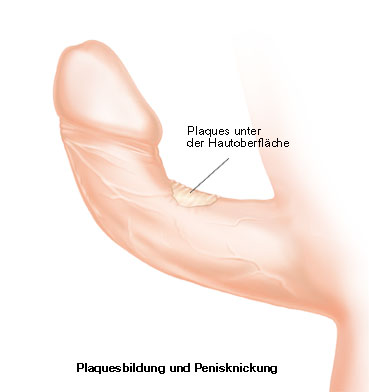
Read the guide →Pain, injury, curvature, and physical changes
Separate stable variation from new pain, scarring, or injuries that should not wait.
Read the guide →
Infections, STIs, and safer sex
Symptoms, testing, condoms, and why examination or lab testing often matters more than guessing.
Read the guide →
Procedures, circumcision, and recovery
How to use the instructions from your own care team and recognize recovery warning signs.
Read the guide →
Talking with a partner
Direct, non-accusing ways to discuss symptoms, function, testing, boundaries, and support.
Read the guide →
Preparing to see a clinician
What to record, what may be asked, and how to get through an awkward appointment clearly.
Read the guide →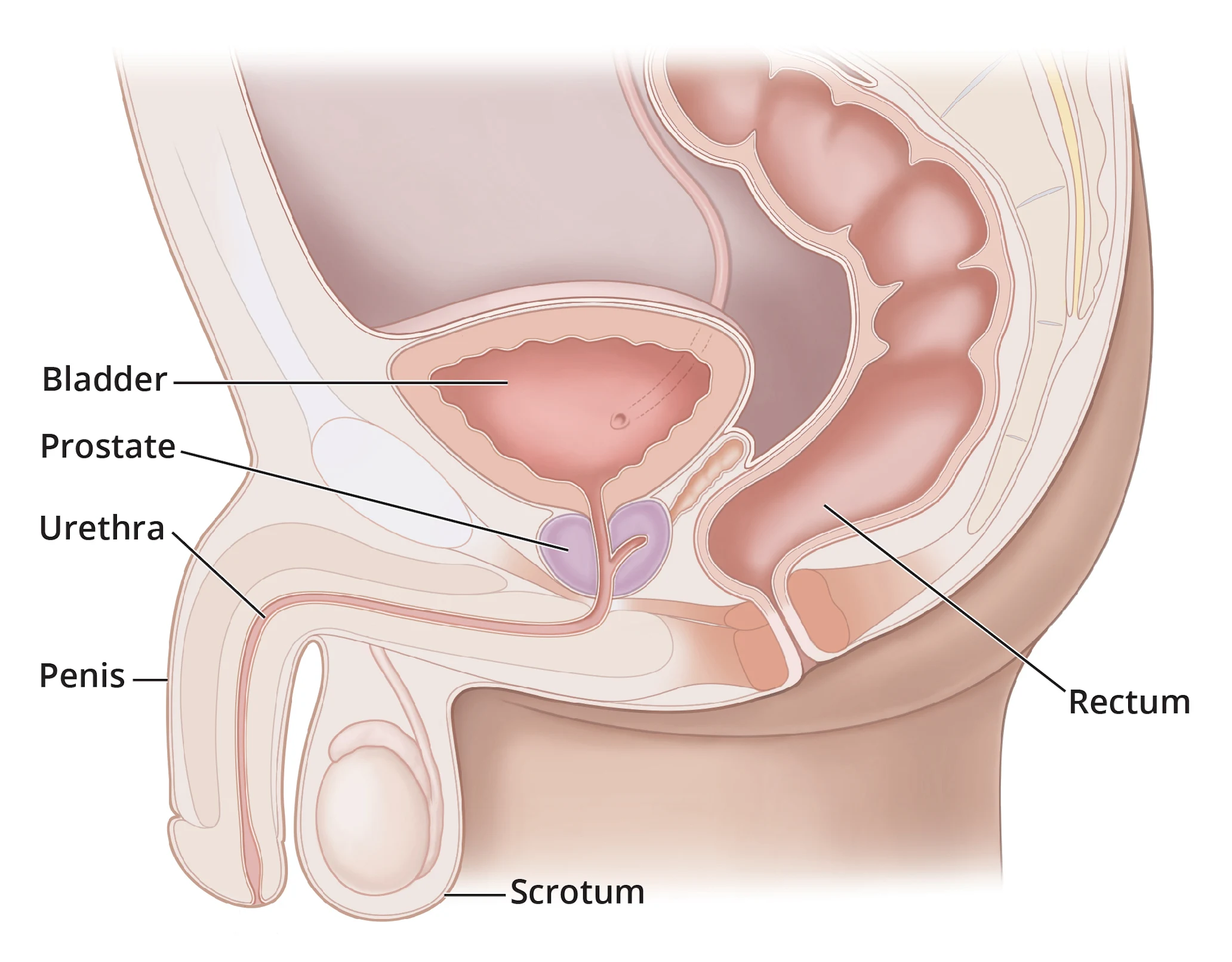
Urination, stream, and urinary changes
Burning, spraying, dribbling, weak flow, frequency, and the warning sign that cannot wait.
Read the guide →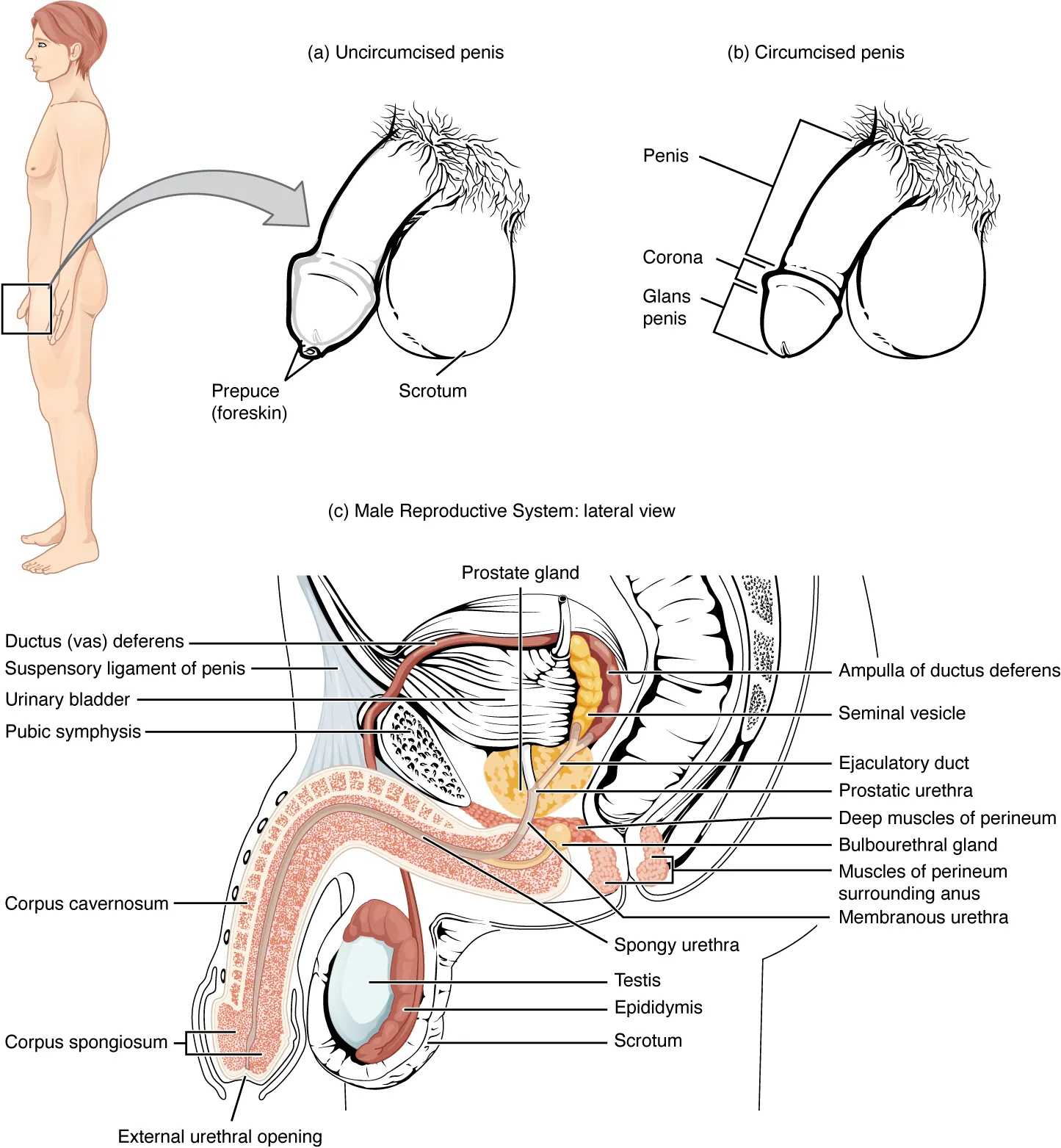
Semen, blood, and discharge
What semen appearance can tell you, what it cannot, and why blood or discharge deserves the right kind of check.
Read the guide →Condoms, lubrication, and irritation
Fit, slippage, breakage, lubricant compatibility, and what to do when skin reacts.
Read the guide →
Sensation, numbness, and nerve changes
Temporary pressure, medication effects, nerve symptoms, and when reduced feeling deserves evaluation.
Read the guide →Cycling, sports, and pressure
How the perineum, nerves, blood vessels, and urethra can be affected by pressure or a straddle injury.
Read the guide →HPV, warts, and vaccination
How HPV spreads, why appearance cannot identify every bump, and where vaccination fits.
Read the guide →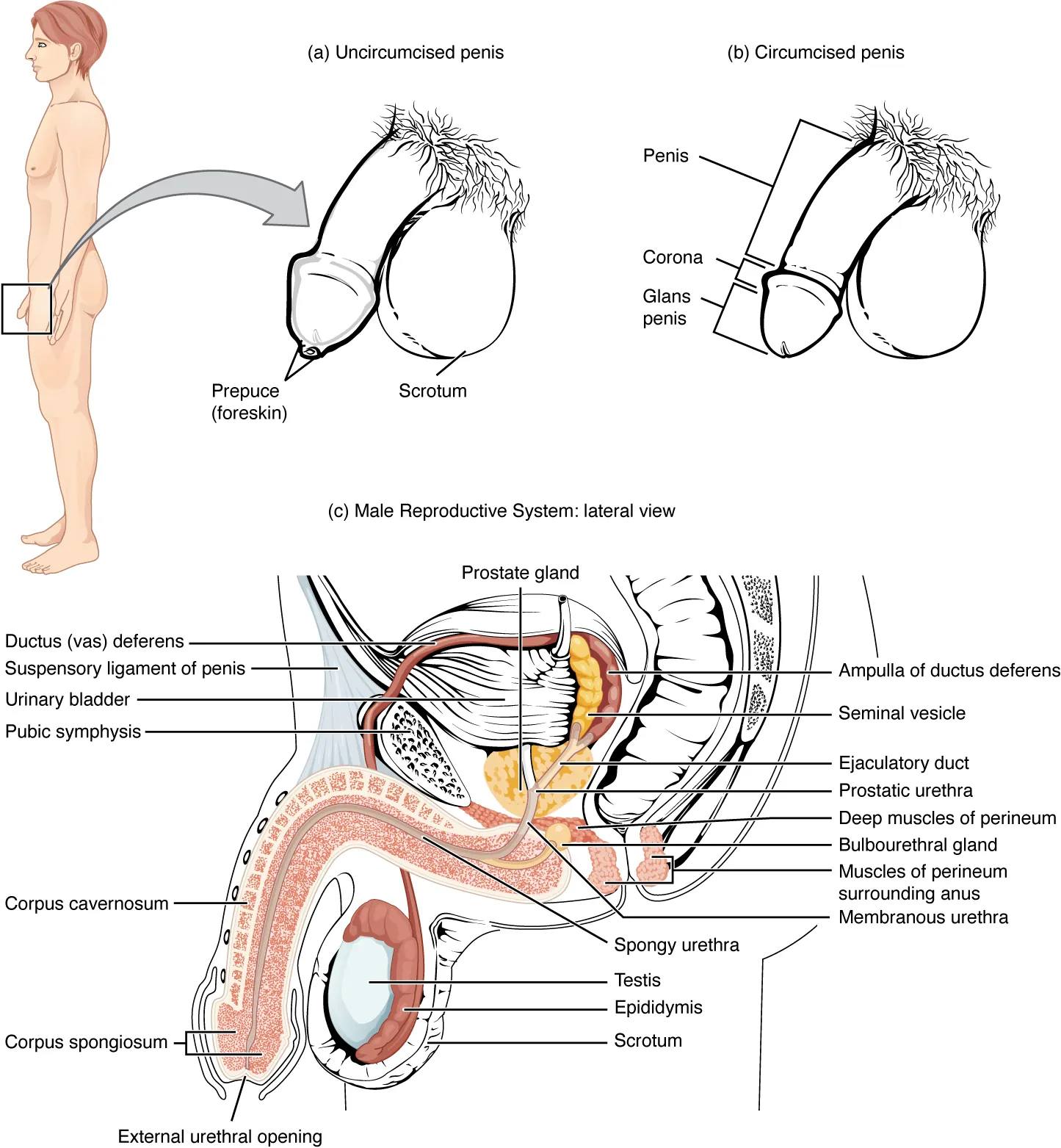
Foreskin movement and frenulum tears
Comfortable movement, minor tears, repeated splitting, and the warning sign of a trapped retracted foreskin.
Read the guide →Common bumps, spots, and why photos cannot diagnose them
A safer way to think about stable features, new lesions, online image matching, and examination.
Read the guide →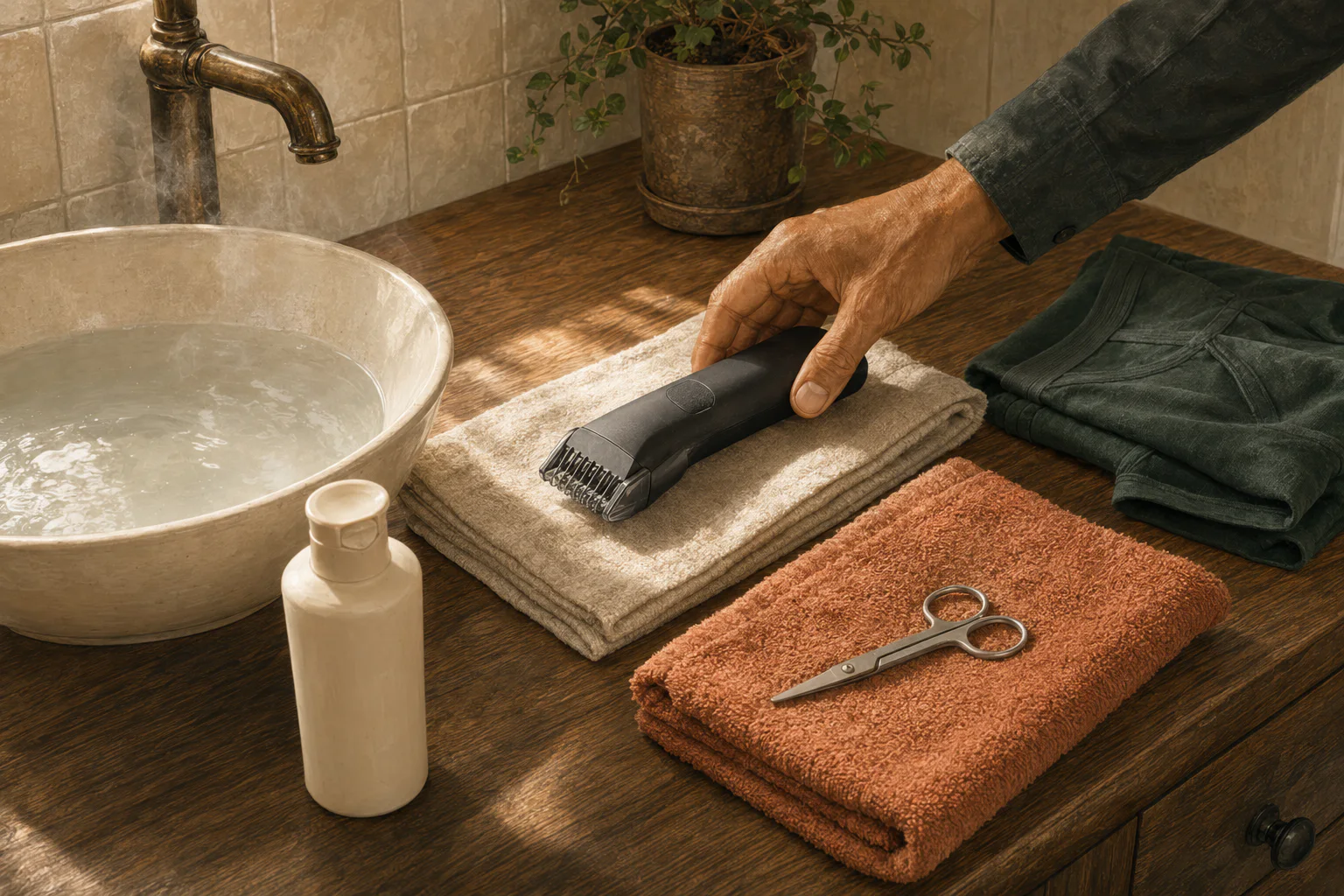
Shaving, trimming, and grooming irritation
Reduce cuts, ingrown hairs, product reactions, and friction without treating every bump as an infection.
Read the guide →Sweat, odor, and moisture
What changes odor, how to clean without overdoing it, and when odor belongs with other symptoms.
Read the guide →Sex after an injury or procedure
Use healing milestones and your own care plan—not a generic calendar—to decide when to resume activity.
Read the guide →
Tucking, compression, and circulation
A harm-reduction guide to skin, pressure, urinary symptoms, comfort, and getting respectful care.
Read the guide →When embarrassment is the main barrier to care
Practical ways to book, describe the concern, request privacy, and get through an examination with more control.
Read the guide →Unsure where to start?
Describe the pattern, not a diagnosis.
The private navigator checks for urgent signs first, then gives a conservative next step and a note you can bring to care.
Start the navigator →