01
What to know
- Stable, painless, symmetrical features present for a long time are a different pattern from something new, growing, bleeding, ulcerated, or painful.
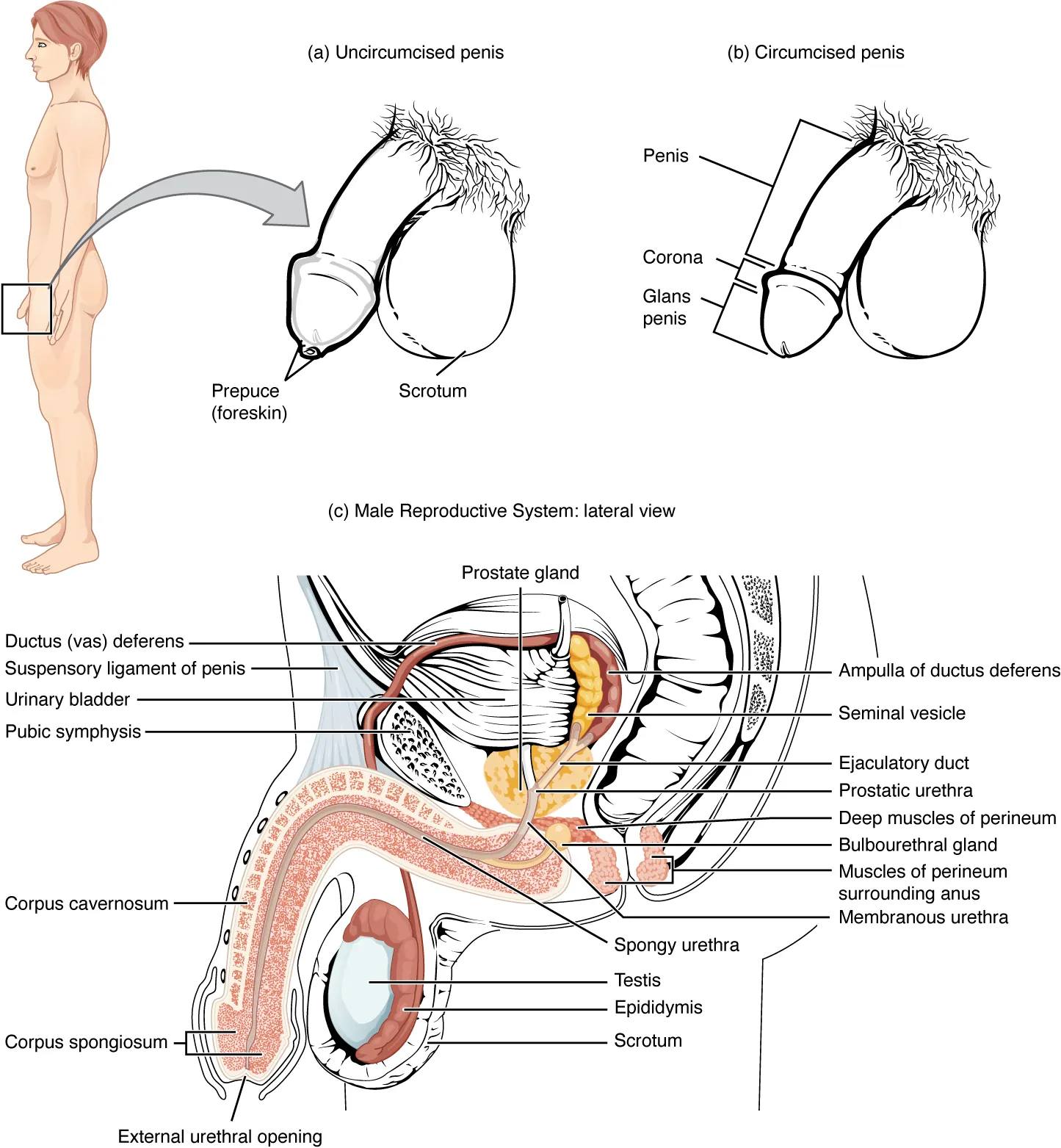
- Even a medically accurate illustration is for orientation, not self-diagnosis.
- Online image search can intensify anxiety while missing exposure history, texture, location, and change over time.
What people often get wrong
A similar-looking photo or one matching symptom cannot confirm a cause. Timing, change, examination, and sometimes testing matter.
02
Useful next steps
- Note onset, change, pain, discharge, bleeding, products, shaving, and sexual exposure without repeatedly squeezing or checking.
- Arrange an in-person or sexual-health evaluation when the cause is uncertain.
When to get care
Do not rely on guesswork when the pattern changes.
- Seek prompt care for a new sore, unexplained bleeding, discharge, a growing lump, fever, or rapidly spreading redness.
- A persistent feature that worries you deserves a routine examination even when it is not urgent.
03
What a clinician may ask
- When did you first notice it, and is it changing?
- Is there pain, discharge, bleeding, fever, urinary change, or loss of function?
- Were there recent medicines, illness, injury, sexual contact, products, or procedures?