01
What to know
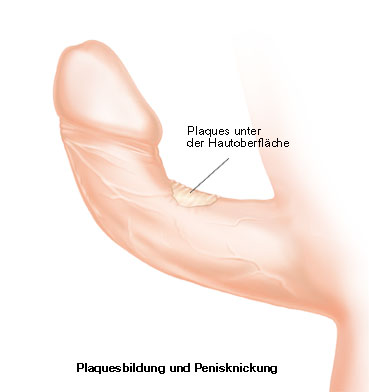
- Peyronie’s disease involves scar tissue and may cause a new curve, lump, pain, or difficulty with intercourse.
- Trying to force, bend, or massage a new curve can worsen injury.
- A pop or snap followed by immediate pain, swelling, bruising, or loss of erection can indicate penile fracture.
What people often get wrong
A similar-looking photo or one matching symptom cannot confirm a cause. Timing, change, examination, and sometimes testing matter.
02
Useful next steps
- Stop activity if there is pain or injury.
- Document onset and change for a clinician; only take intimate photos if your clinician specifically explains how to do so securely.
When to get care
Do not rely on guesswork when the pattern changes.
- Go to emergency care for a snapping injury, severe swelling, bleeding, blood at the urethra, or inability to urinate.
- Arrange urology care for a new persistent curve, lump, painful erection, or shape change.
03
What a clinician may ask
- When did you first notice it, and is it changing?
- Is there pain, discharge, bleeding, fever, urinary change, or loss of function?
- Were there recent medicines, illness, injury, sexual contact, products, or procedures?