01
What to know
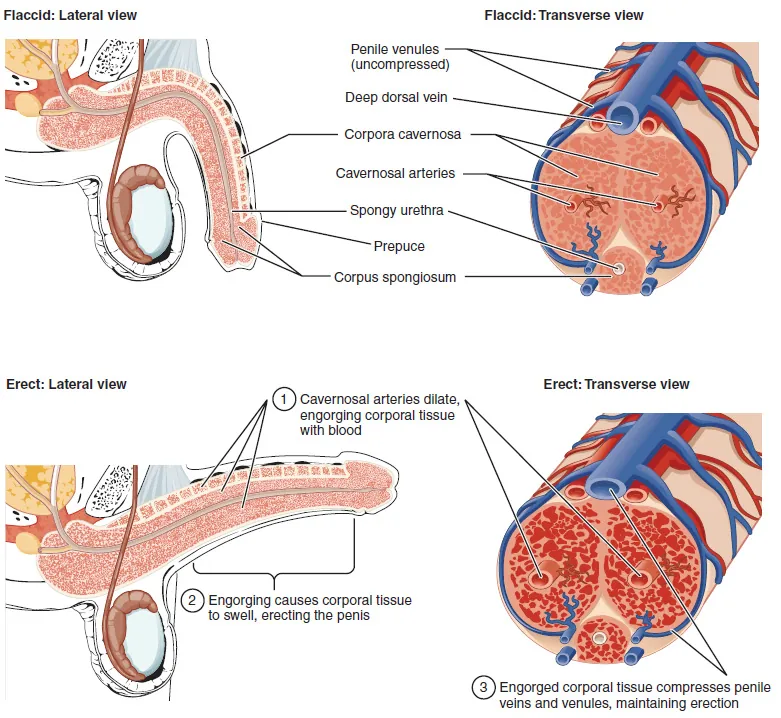
- Nighttime and morning erections are common and can occur during normal sleep cycles.
- An erection does not prove attraction, intention, or consent.
- Stress, sleep, age, hormones, medication, illness, and circulation can change the pattern.
What people often get wrong
A similar-looking photo or one matching symptom cannot confirm a cause. Timing, change, examination, and sometimes testing matter.
02
Useful next steps
- Treat occasional variation as information, not a performance test.
- If erections have changed across every context, note when the change began and review medicines and health changes with a clinician.
When to get care
Do not rely on guesswork when the pattern changes.
- Arrange care for a persistent new change that concerns you.
- An erection lasting four hours needs emergency care, even when it is not very painful.
03
What a clinician may ask
- When did you first notice it, and is it changing?
- Is there pain, discharge, bleeding, fever, urinary change, or loss of function?
- Were there recent medicines, illness, injury, sexual contact, products, or procedures?